Managing a fire truck fleet is no small task. With lives and property on the line, ensuring your fleet operates at peak performance is crucial. Whether you're part of a municipal fire department or a private emergency services provider, these best practices will help you maximize your fleet's efficiency, extend its lifespan, and ensure optimal readiness.
Maintenance is the backbone of effective fleet management. Regularly scheduled inspections and proactive repairs are essential to keeping your fire trucks in top condition. This not only prevents unexpected breakdowns but also extends the life of your vehicles. Develop a comprehensive maintenance schedule that includes:
By adhering to a strict maintenance regimen, you can avoid costly downtime and ensure your fleet is always ready for action.
The technology behind fire trucks has advanced significantly in recent years. Upgrading your fleet with modern vehicles can provide numerous benefits, including improved safety features, better fuel efficiency, and enhanced firefighting capabilities. When procuring new fire trucks, consider the following:
Our company specializes in providing state-of-the-art fire trucks tailored to meet the needs of government agencies and emergency response units. Partnering with us ensures access to cutting-edge solutions that elevate your fleet's performance.
A well-managed fleet is one that is used efficiently. Analyze how your fire trucks are deployed and identify opportunities to optimize their utilization. For example:
By strategically managing your fleet's deployment, you can reduce operational costs while maintaining high levels of service.
Your fire truck fleet is only as good as the people operating it. Providing ongoing training for drivers and maintenance staff is vital to ensuring safe and efficient operations. Training programs should cover:
Well-trained personnel contribute to fewer accidents, lower repair costs, and faster response times during emergencies.
Fleet management isn't just about addressing current demands—it's also about preparing for the future. Conduct regular assessments to evaluate whether your fleet meets evolving community needs. Consider factors such as population growth, changes in infrastructure, and emerging risks. Use this information to guide procurement decisions and long-term planning.
At our company, we offer customizable solutions designed to grow with your organization. Whether you need compact rescue units or heavy-duty industrial fire trucks, we have the expertise to deliver exactly what you require.
Modern fleet management software can revolutionize how you oversee your fire trucks. These tools provide real-time insights into vehicle status, location, and performance metrics. Benefits include:
By embracing technological advancements, you can streamline operations and focus more on serving your community effectively.
Effective fire truck fleet management requires a combination of strategic planning, investment in quality equipment, and commitment to continuous improvement. By implementing these best practices, you can ensure your fleet remains reliable, efficient, and prepared to handle any challenge. Trust our company to be your partner in achieving excellence in emergency response. Contact us today to learn more about our innovative fire truck solutions!
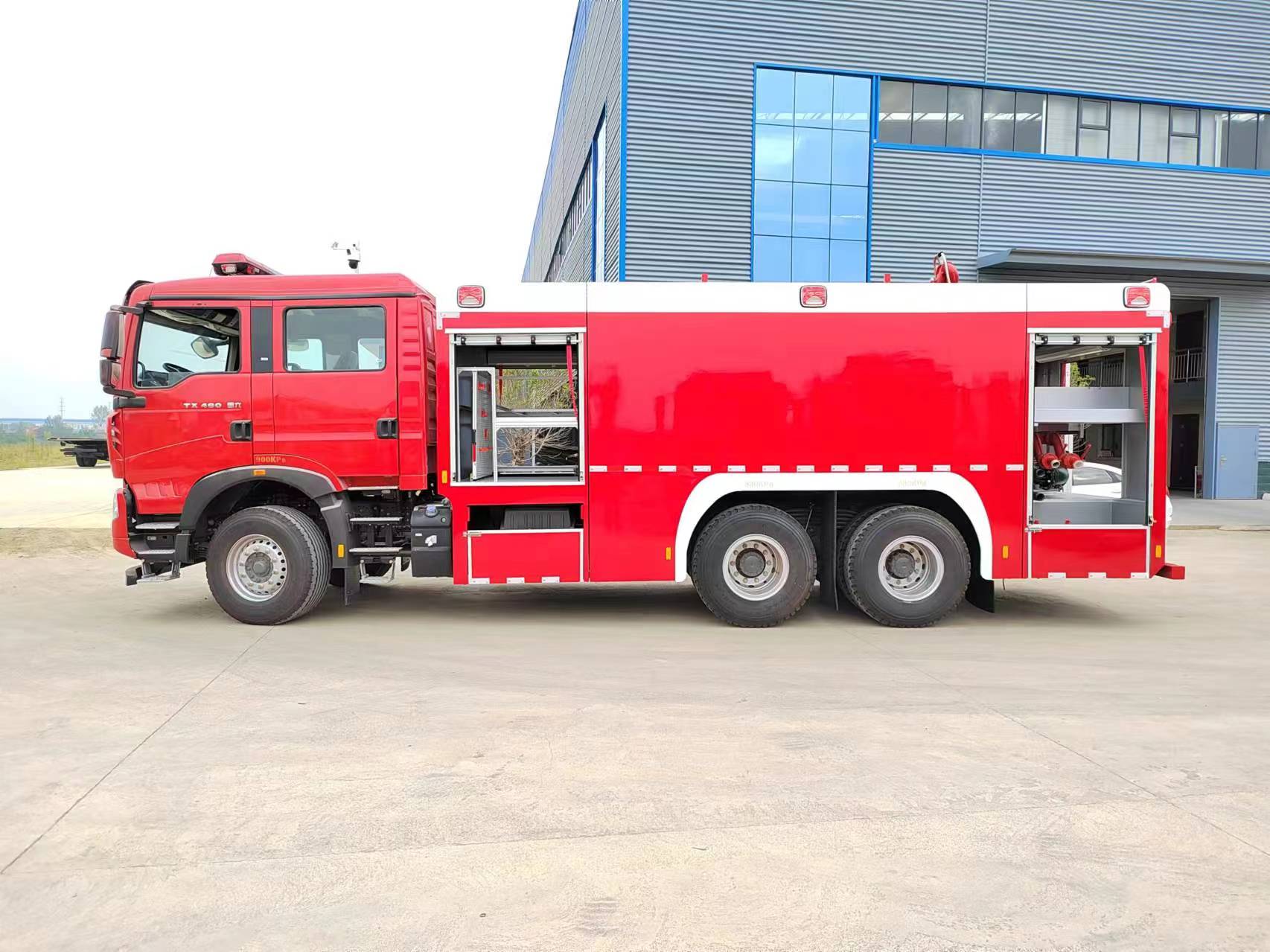



 Emergency Rescue Vehicles


