Purchasing a fire truck is not just about selecting a vehicle; it’s an investment in safety, efficiency, and community protection. As a decision-maker responsible for acquiring firefighting vehicles, you need to ensure that your choice aligns with operational needs, budget constraints, and long-term reliability. To assist you in making the best selection, here are critical questions every fire truck buyer should ask before placing an order.
Every fire department has unique requirements based on its location, population density, and types of emergencies it typically handles. For instance, urban departments may require high-capacity pumpers, while rural areas might benefit from off-road capable tankers. Assessing specific needs helps narrow down options and ensures optimal performance under real-world conditions.
No two fire departments operate identically, so why settle for a one-size-fits-all solution? Reputable suppliers offer customizable designs tailored to meet precise specifications. Whether it’s adding specialized equipment compartments or enhancing water storage capacity, confirm that the manufacturer can deliver a vehicle built to your exact standards.
Fire trucks must comply with stringent industry standards such as NFPA (National Fire Protection Association) regulations. Ensure the supplier provides documentation proving compliance with relevant safety and performance benchmarks. This step guarantees the vehicle will perform reliably during critical operations.
Partnering with a trustworthy supplier is crucial. Research their track record by reviewing client testimonials, case studies, and years in business. A reputable company with extensive experience in manufacturing firefighting vehicles demonstrates commitment to quality and customer satisfaction.
Beyond delivery, what additional services does the supplier provide? Look for comprehensive support packages including maintenance training, spare parts availability, and warranty coverage. These offerings ensure minimal downtime and sustained operational readiness.
While upfront costs are important, consider long-term expenses like fuel consumption, repairs, and insurance premiums. Evaluating total cost of ownership allows you to make financially sound decisions without compromising on essential features.
Before finalizing your purchase, request access to a demo unit. Hands-on inspection provides valuable insights into build quality, functionality, and ergonomics. It also gives your team an opportunity to test-drive the vehicle and assess its compatibility with existing fleet operations.
A robust warranty reflects confidence in product durability. Inquire about coverage terms, exclusions, and claim procedures. Extended warranties often indicate superior craftsmanship and peace of mind for buyers.
Timely deployment is vital when upgrading firefighting capabilities. Clarify production timelines, shipping schedules, and potential delays upfront. Transparent communication prevents surprises and keeps projects on track.
Funding large purchases can be challenging. Many suppliers collaborate with financial institutions to offer flexible payment plans. Explore these options to ease budgetary pressures while acquiring top-tier firefighting equipment.
By addressing these key questions, you’ll be better equipped to choose a fire truck that meets your department’s demands and exceeds expectations. At [Your Company Name], we pride ourselves on delivering state-of-the-art firefighting vehicles designed for maximum effectiveness and longevity. Contact us today to learn how our expertise can empower your mission!
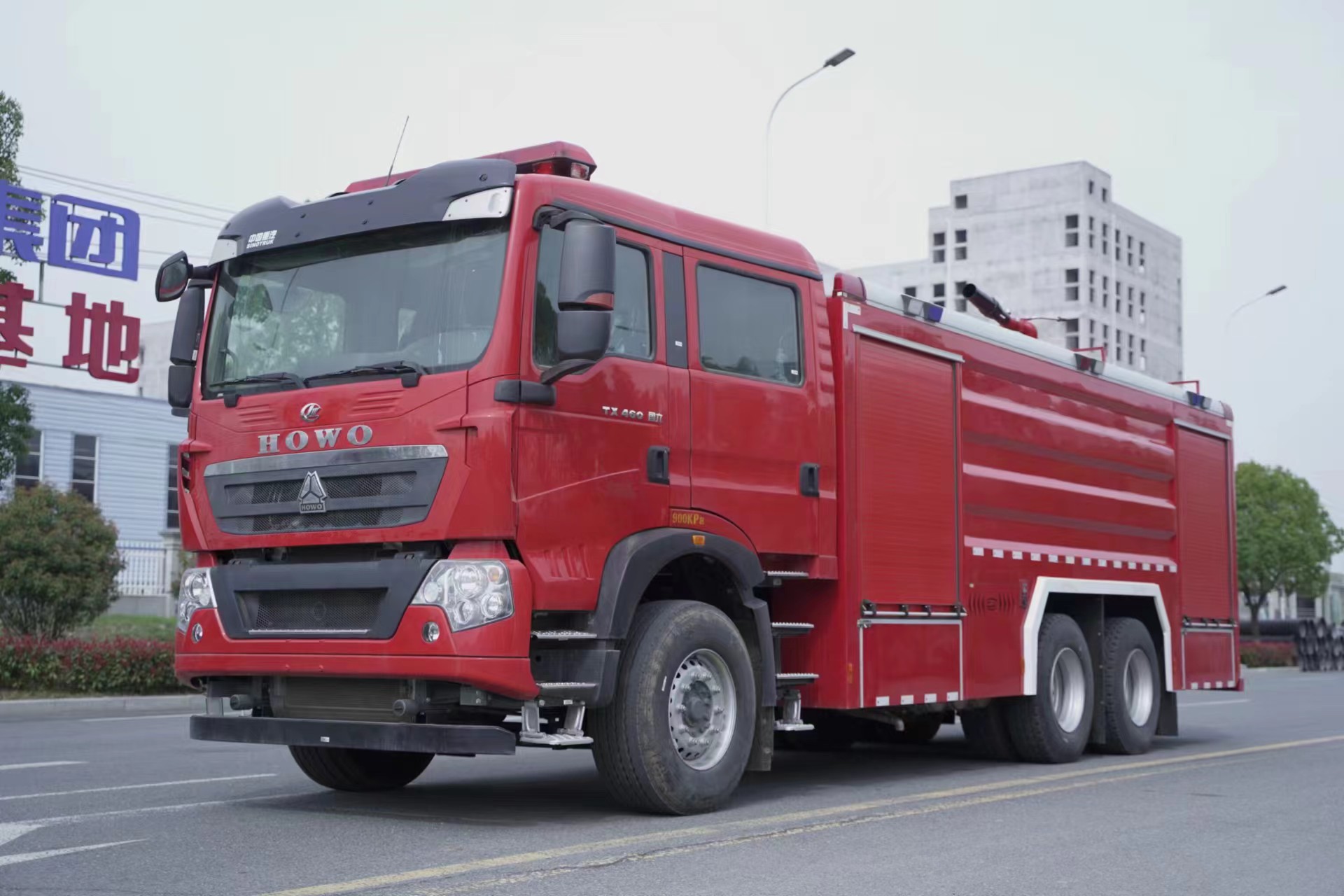



 Emergency Rescue Vehicles


